
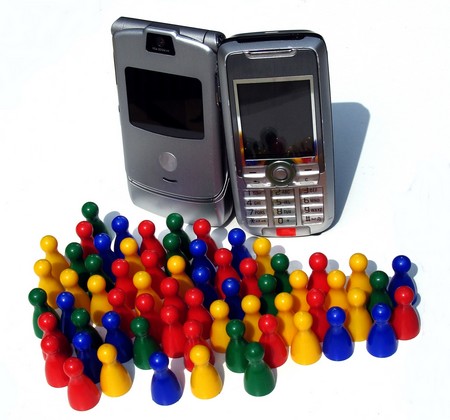
In "Cell Phones, Texts, and Lovers" by David Brooks I read very many valid points about how technology and subsequently constant contact with one another has changed many things, but in this case the dating scene, drastically. People don't seem to be looking for commitment or a serious relationship anymore. In fact, as shown by the sex diaries, they barely seem to want any kind of non-sexual relationship with one another. They don't acknowledge their suitors by real names (ex. Stage 5 Clinger, The One Who Cries) which may just be a defense mechanism that prevents them from becoming too attached to someone who can, and will, leave them for a more enticing offer. The author quotes Wesley Yang when he says the diarists “use their cellphones to disaggregate, slice up, and repackage their emotional and physical needs, servicing each with a different partner, and hoping to come out ahead.” This is very apparent in my life where, as discussed in class, characters on reality shows such as The Jersey Shore are renowned for making plans with multiple people, only to ditch them for the seemingly best option. Separation of emotion from technology is pervasive in our society where people no longer play the dating game, but rather try to market themselves for instant gratification.
This does not mean that young people today are worse or shallower than young people in the past. It does mean they get less help. People once lived within a pattern of being, which educated the emotions, guided the temporary toward the permanent and linked everyday urges to higher things. The accumulated wisdom of the community steered couples as they tried to earn each other’s commitment.
Today there are fewer norms that guide in that way. Today’s technology seems to threaten the sort of recurring and stable reciprocity that is the building block of trust.
In "Defense of Distraction," Sam Anderson quotes Herbert A. Simon, who wrote “What information consumes is rather obvious: It consumes the attention of its recipients. Hence a wealth of information creates a poverty of attention, and a need to allocate that attention efficiently among the overabundance of information sources that might consume it.” I never knew there was a logical answer to why people could no longer focus as they used to. But after reading this i get the notion that it's one of those vicious circles- we have no attention because we have so much information which distracts our attention while we get more information which takes away more attention because we're accessing more information with less attention. Anderson's sense of humor is apparent throughout the article when she opens up naming all of the distractions that the reader is most likely involved in while reading the article. Later she goes on to describe how she conducted an entire interview with a man discussing the technological distractions of the 21st century, using social media. This is probably where I related the most to this article. I realized recently that I had lost a real connection with people I had always considered good friends. Great friends actually. We now communicate (barely) through text messages, facebook comments, and instant messages in the instant we catch a fleeting thought of each other. I saw something of my facebook feed that reminded me of one of my girlfriends- "just saw neil's profile picture, thought of you=)."
In "Digital Mistletoe" I have to admit I was a bit weirded out by the fact that someone could find a relationship with a practical stranger from facebook, as I always am by relationships that begin on the internet. It was an entertaining story though, cute. He reached out, she reached back, now they love each other. But I feel like that ability to reach out to a stranger or accept such an intimate friendship from someone met over the internet is not a quality I possess.

No comments:
Post a Comment